Future of space
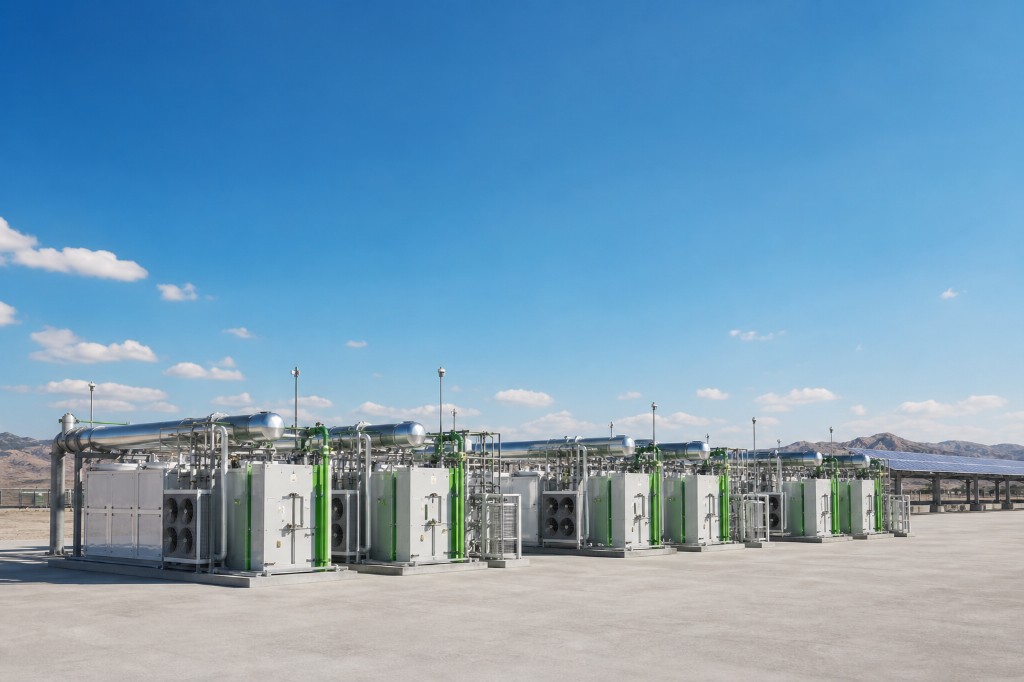
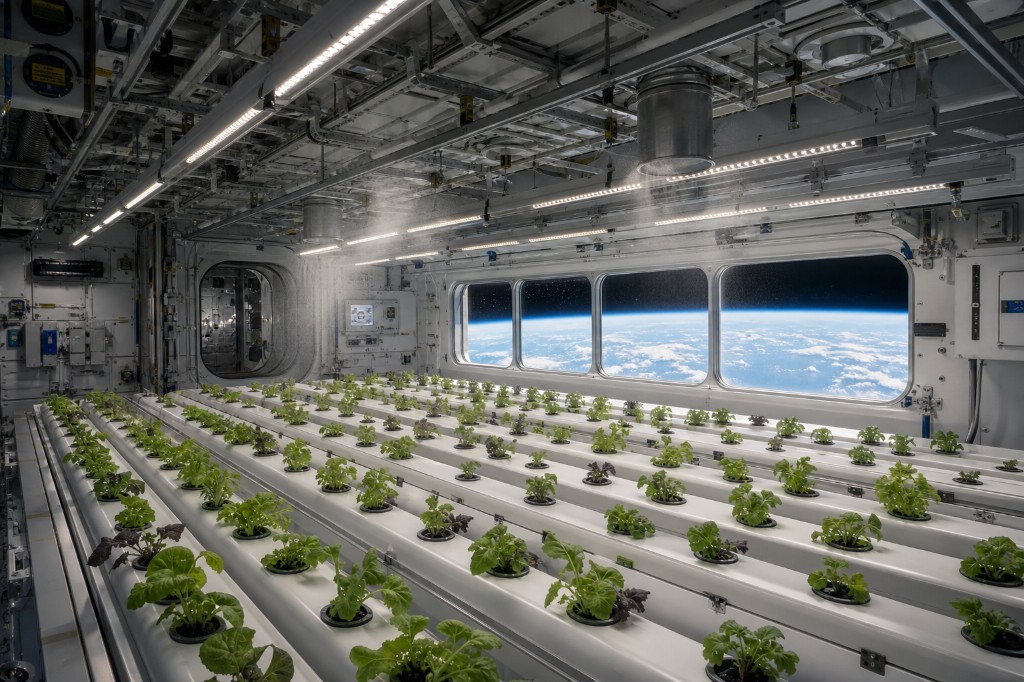
In-space infrastructure, communications, sensing, servicing, assembly & manufacturing — technologies that orbit, observe, and strengthen terrestrial systems.
Pacific Northwest node
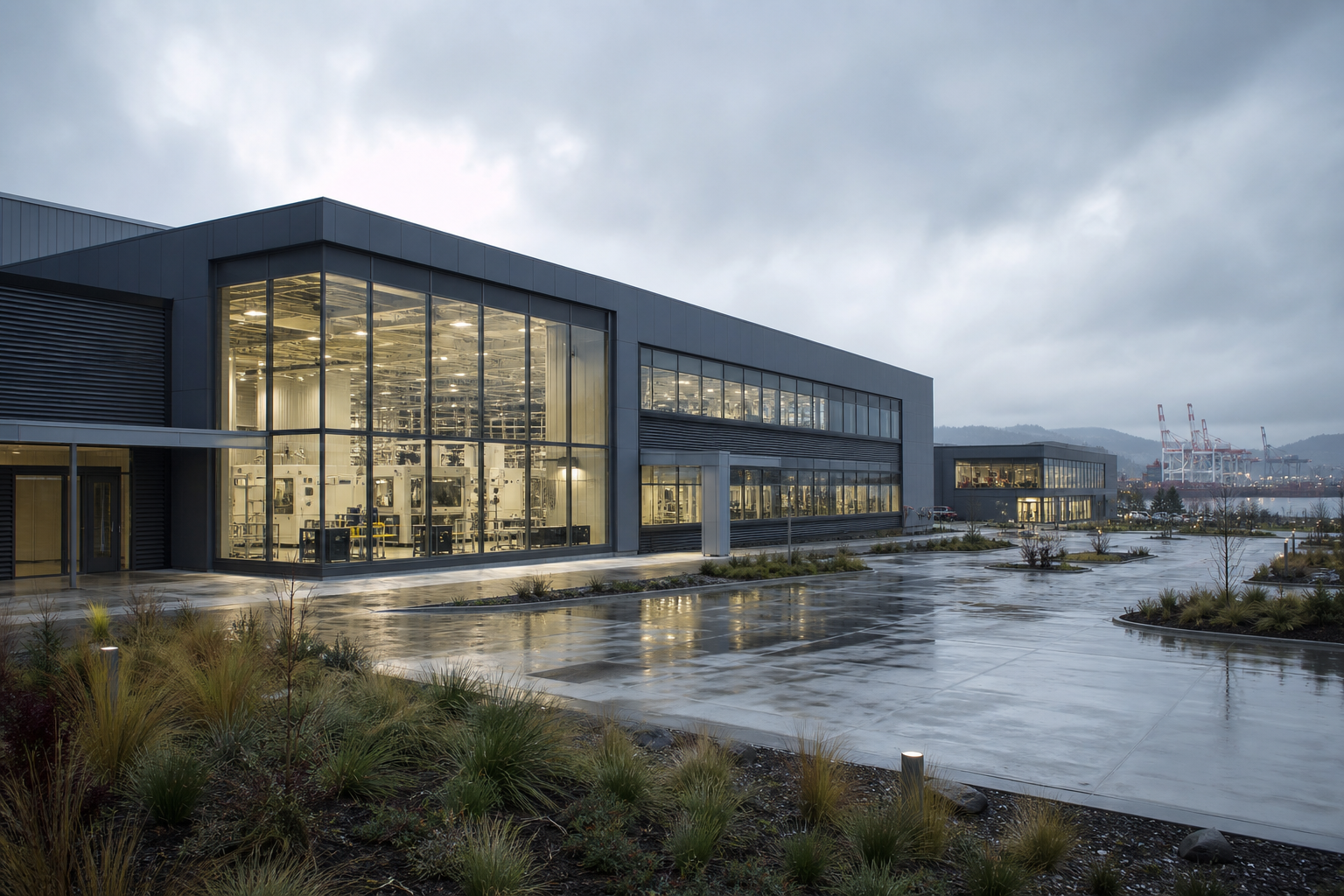
The flagship physical node sits in Kent — South King County manufacturing and logistics depth — while the wider Puget Sound corridor supplies research intensity, talent pipelines, and corporate pull-through across Seattle, Bellevue, Everett, and Tacoma. That geography is where we are proving the first operating playbook: equipment partnerships, consortium design, and governance patterns other regions can adopt with local partners.
Kent pairs heavy prototyping adjacency with long-tenured suppliers; the broader metro combines aerospace and advanced manufacturing heritage with software-era capital formation. Ignition Point Labs uses that mesh as the launch pad for a network mission: graduate companies here, then replicate where partner regions commit to the same infrastructure thesis.
Regional depth
Built on what's already here — the corporates, universities, supply chains, and the talent moving between them.
Kent Valley sits alongside anchor employers and dense supplier roots that include Blue Origin and Boeing; Microsoft and Amazon anchor software-era capital and cloud-scale demand. The University of Washington feeds research-to-company pipelines where spinouts like Starfish Space, Interlune, Juno, Starcloud, Carbon Robotics, and Helion extend the corridor's edge in space, materials, robotics, and fusion-adjacent systems.
In-space infrastructure, communications, sensing, servicing, assembly & manufacturing — technologies that orbit, observe, and strengthen terrestrial systems.
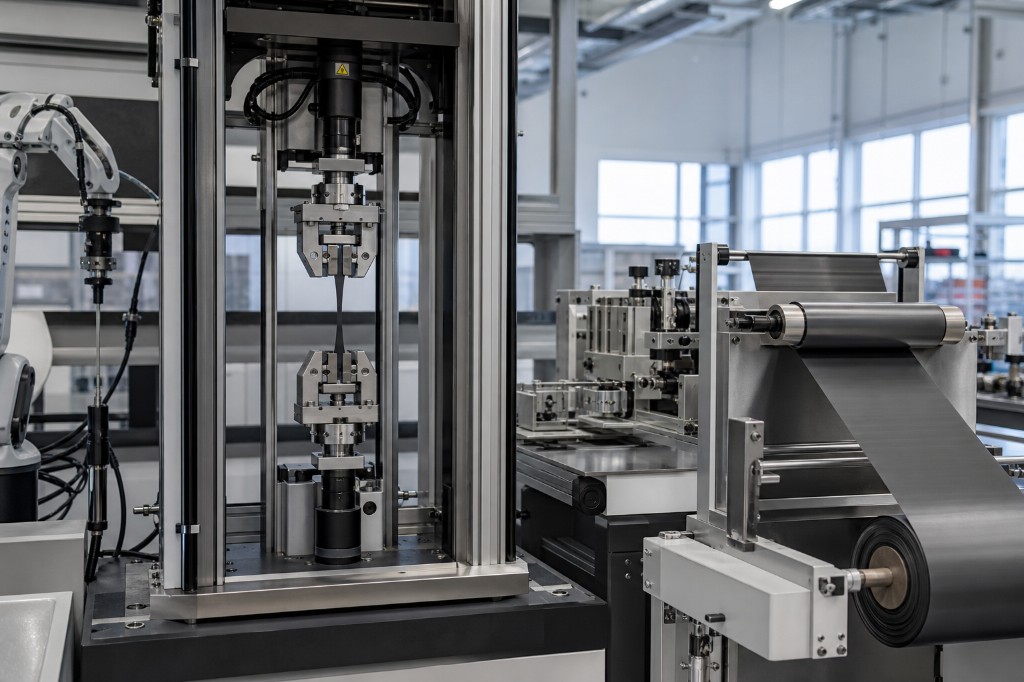
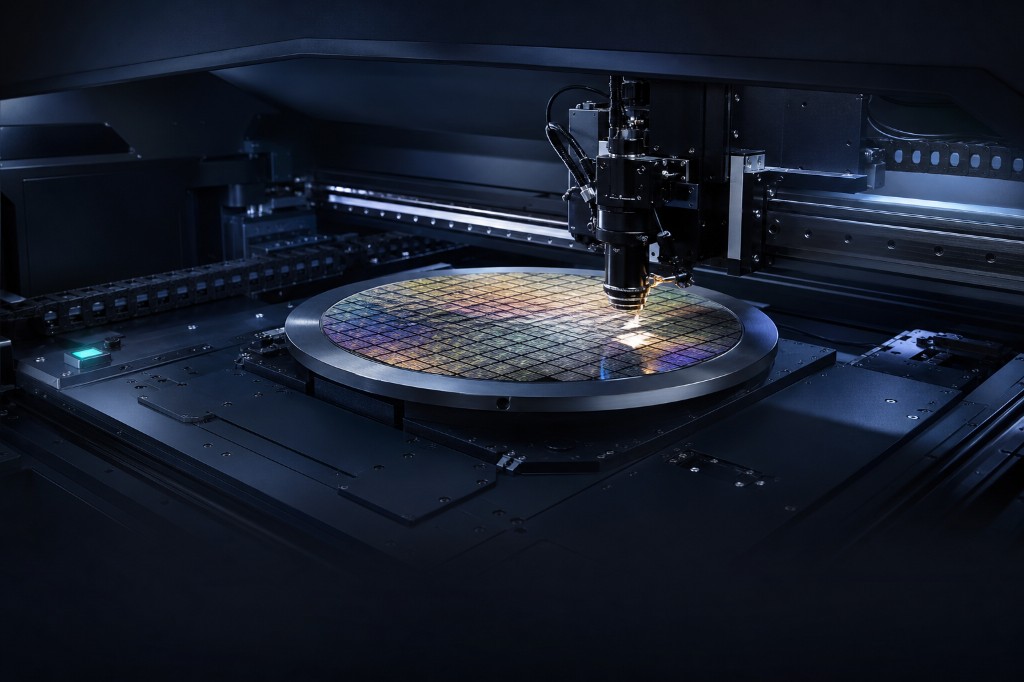
Quantum systems, silicon photonics, advanced packaging, optical interconnects, and custom silicon — the substrate of intelligent infrastructure.
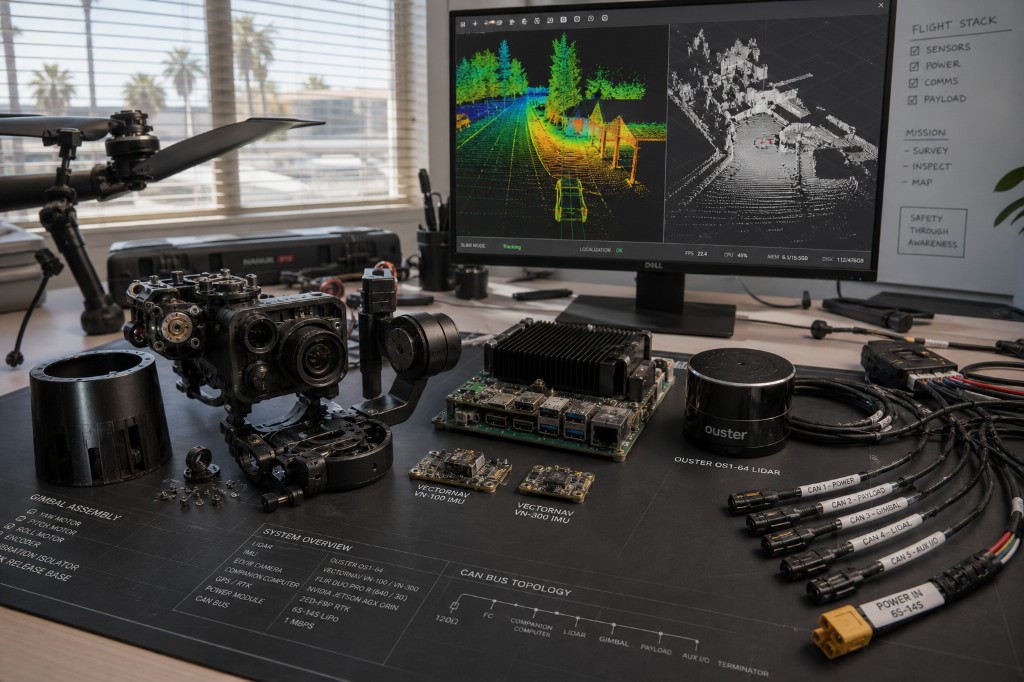
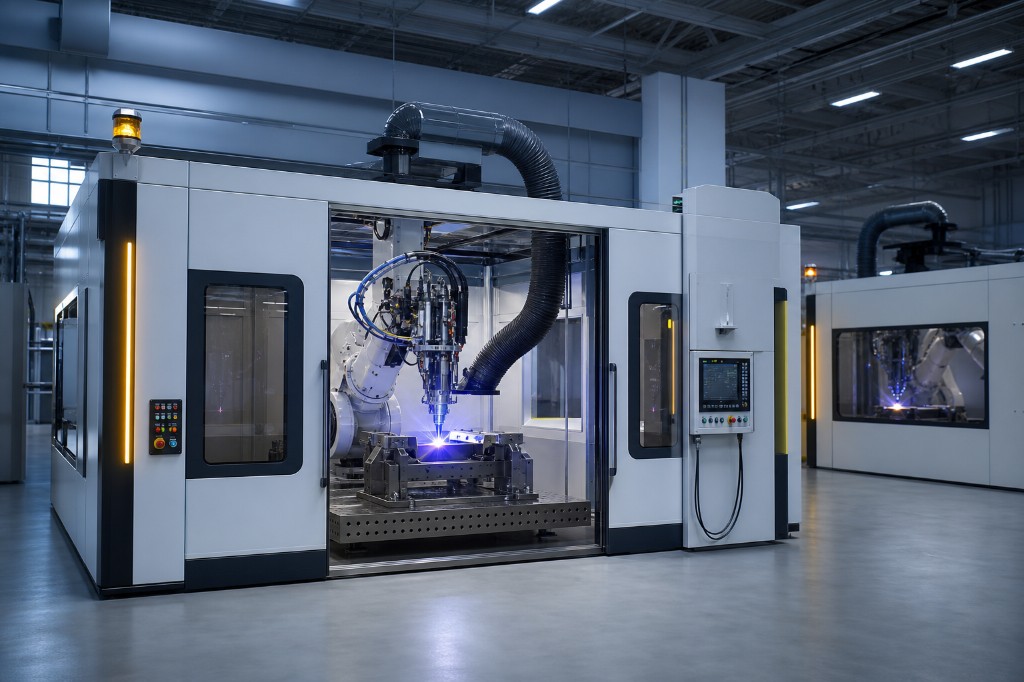
Robotics, autonomy, sensing, advanced manufacturing, and industrial systems — the technologies that build, move, and operate in the physical world.
Generation, storage, propulsion, mobility, grid infrastructure, and advanced energy systems — powering industry and modernizing critical infrastructure.
Facility planning
Flagship programs balance high-bay prototyping, education and conference adjacency, office islands for distributed teams, and social space that supports long build weeks — not slide decks.
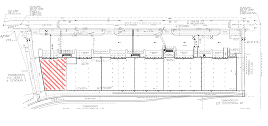
Our flagship footprint in Kent is roughly 23k sq ft inside a larger ~160k sq ft facility, leaving headroom to expand within the building as resident programs mature. Beyond that envelope, our real estate partner controls on the order of ~1.5M sq ft across their ecosystem — so as companies scale, they gain access to a premium menu of future space rather than hitting an arbitrary ceiling at first graduation.
Phased rollout
Future hubs
Expansion is partner-led: shared equipment lists, governance templates, and consortium mechanics travel across nodes — while each site reflects local industrial strengths. Swipe the strip or use the indicators; each card snaps to the leading edge as you move between cities.
UAVs • Maritime • Defense • Communications • Bio Tech
Dense primes-adjacent ecosystem with strong autonomy and maritime sensing pathways — ideal for dual-use hardware cohorts and consortium-led test engagements.
Space Tech • Bio Tech • Defense • Data & Security
Launch-adjacent workflows, range expertise, and legacy aerospace suppliers create natural demand for shared precision fabrication and environmental test planning.
Quantum • Data & AI • Robotics & IOT • Energy • Bio Tech
Energy infrastructure talent and remote operations muscle pair well with advanced materials and heavy hardware scale-up — especially where public partners prioritize diversified industrial bases.
Semiconductors • Hardware • AI • Robotics • Energy • Defense • Space
Deep chip-adjacent hiring and systems integration culture support nodes focused on packaging, tooling, and hardware–software co-design at venture cadence.
Defense • Policy • Security • Federal R&D • Data & AI
Dense federal-adjacent demand for hardened systems, procurement literacy, and consortium-grade governance — ideal for dual-use cohorts bridging Capitol Hill cadence with production-grade hardware and test discipline.