
Space
ISAM
Orbital
In-space infrastructure, communications, sensing, servicing, assembly & manufacturing — technologies that orbit, observe, and strengthen terrestrial systems.

A deep-tech ecosystem
Rebuilding America's Industrial Base

Deep-tech and advanced manufacturing have moved from being niche to becoming a national priority. Capital, policy, and corporate demand are converging on hardware-heavy stacks — from space and defense to semiconductors, autonomy, and energy. The limiting factor is often not ideas or talent, but the industrial “missing middle”: right-sized space, production-grade tooling, and operating playbooks that turn prototypes into repeatable manufacturing.
The opportunity
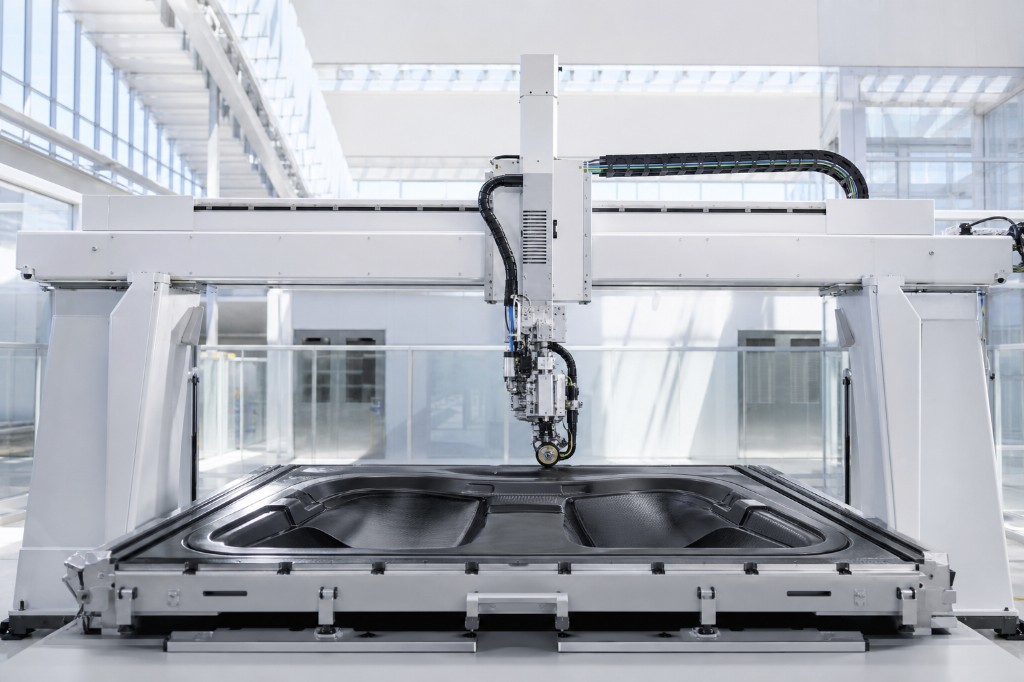
Ignition Point Labs exists to align what regions already have — research universities, primes and suppliers, venture depth, and political appetite for industrial resilience — with what founders still lack: affordable stepping stones between bench-scale demos and standalone factories.
Each hub is a platform: curated tenancy, shared commercial-grade equipment, programming tied to real hardware milestones, and consortium structures that give corporates, investors, and public partners a disciplined window into company creation — without smothering startup speed.
The vision is a coordinated network: repeatable governance, shared supplier relationships, talent exchanges between nodes, and playbooks that let new regions stand up capability faster — so breakthrough technologies commercialize domestically instead of migrating offshore for lack of tools and floor space.
Market context
Strategically aligned National initiatives to rebuild America's industrial base.
DCVC, Deep Tech Opportunities Report 2025Deep tech will solidify the United States’ advantage as a global manufacturing powerhouse...
The U.S. manufacturing sector’s gross output has been going up... steadily for the last two decades... to make this linear growth exponential, we must massively increase the variety of goods we manufacture and the efficiency in which we make & distribute them.
Omni Ventures re: “Global Tech Ecosystem” Index Report via Dealroom.co33% of global venture capital goes to Deep Tech startups in 2024 - up from 11% 10 years ago.
And while VC funding in tech startups (AI excluded) is down 62% since 2021, Deep Tech is up by 20% YoY compared to 2023. Deep Tech investments are showing strength.
National Science Foundation, 2025 investment highlightsNSF investments in 2025 focused on critical technology areas: AI, quantum, semiconductors and advanced manufacturing.
These investments will establish the strong foundation of research and innovation that keeps the nation at the forefront of global innovation throughout the 21st century.
Vertical stacks
Where our shared infrastructure compounds fastest
We concentrate on a few vertical stacks because that is where early-stage deep-tech has multiple shared pains, needs, and gaps: optimal square-footage scarcity, expensive equipment, and iteration you cannot replace with plans on paper. Our hubs support these sub-domains intentionally — so capital and engineering time go into building and qualifying systems, not into everyone quietly rebuilding the same baseline alone.
In-space infrastructure, communications, sensing, servicing, assembly & manufacturing — technologies that orbit, observe, and strengthen terrestrial systems.
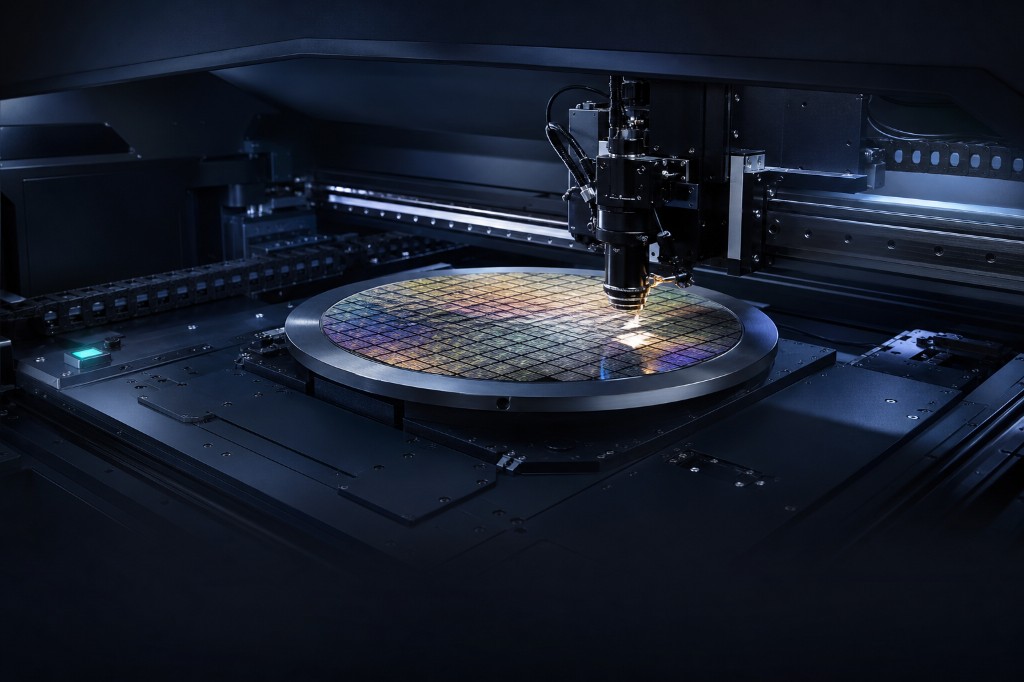
Quantum systems, silicon photonics, advanced packaging, optical interconnects, and custom silicon — the substrate of intelligent infrastructure.
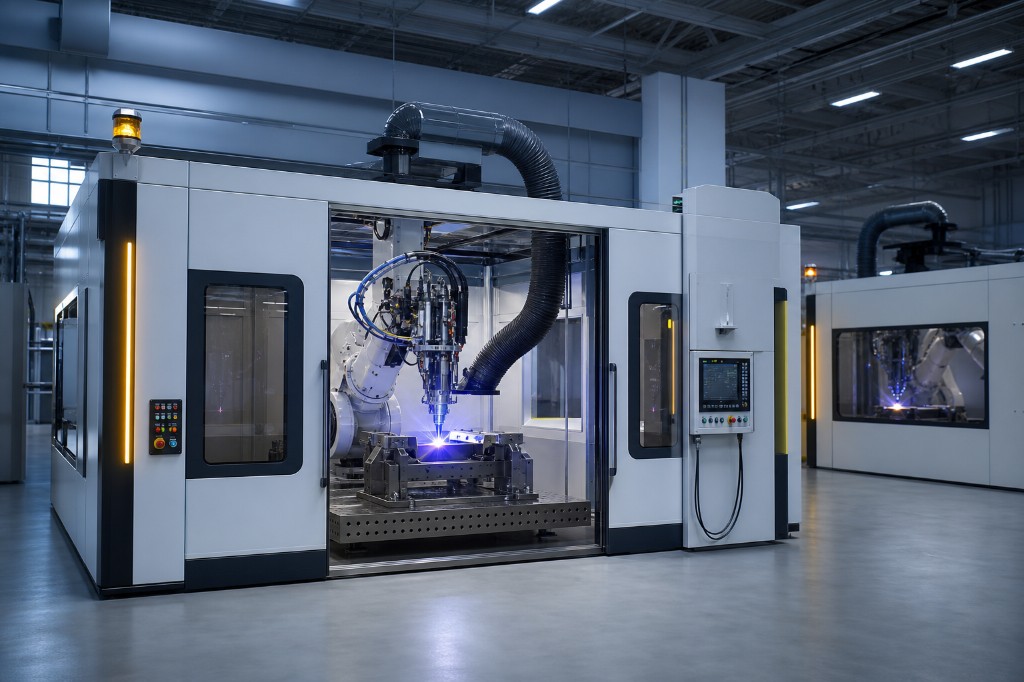
Robotics, autonomy, sensing, advanced manufacturing, and industrial systems — the technologies that build, move, and operate in the physical world.
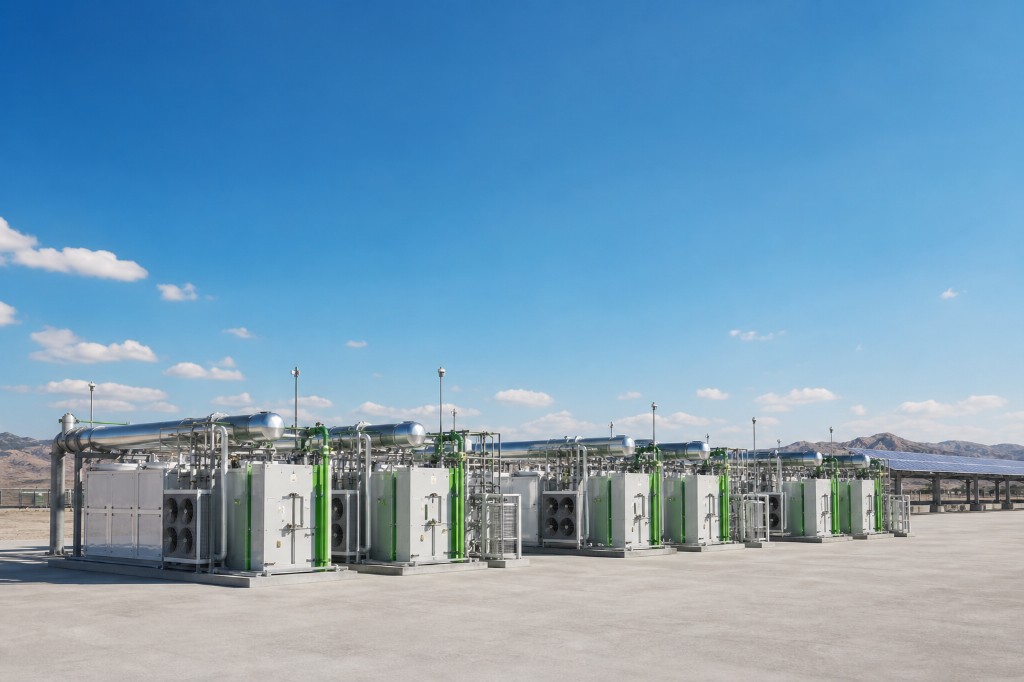
Generation, storage, propulsion, mobility, grid infrastructure, and advanced energy systems — powering industry and modernizing critical infrastructure.
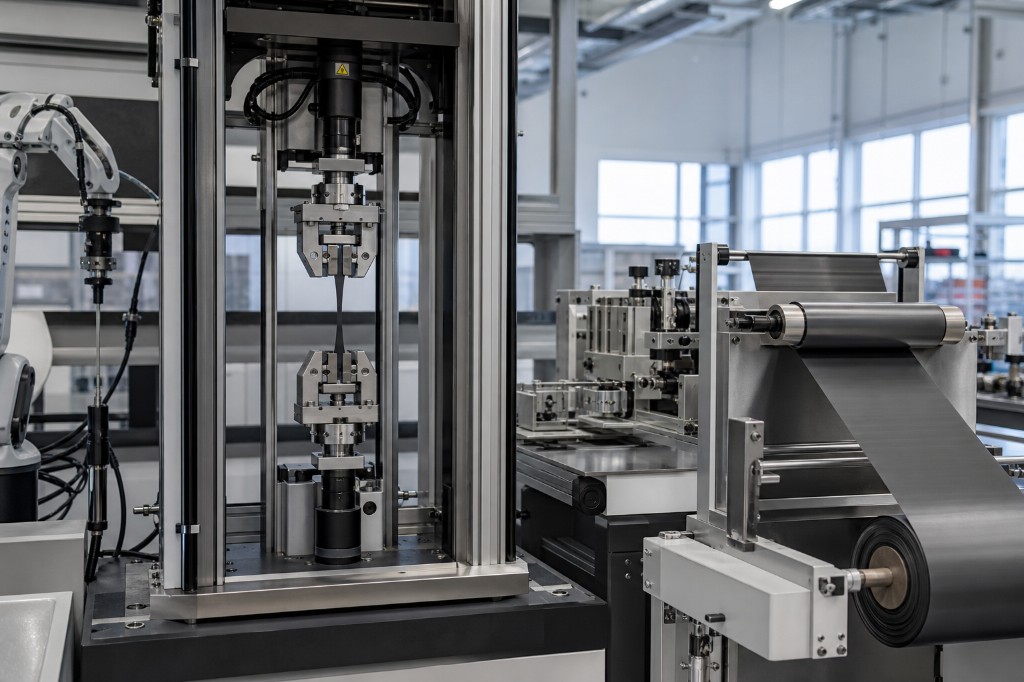
Novel alloys, composites, coatings, and process platforms that unlock performance for aerospace, energy, semiconductors, and harsh-environment systems — often validated with on-site metrology.

Secure architectures spanning hardware roots of trust, resilient software supply chains, classification-aware workflows, spectrum & sensing integrity, and mission assurance — linking data, platforms, and infrastructure under one deep-tech security lens.
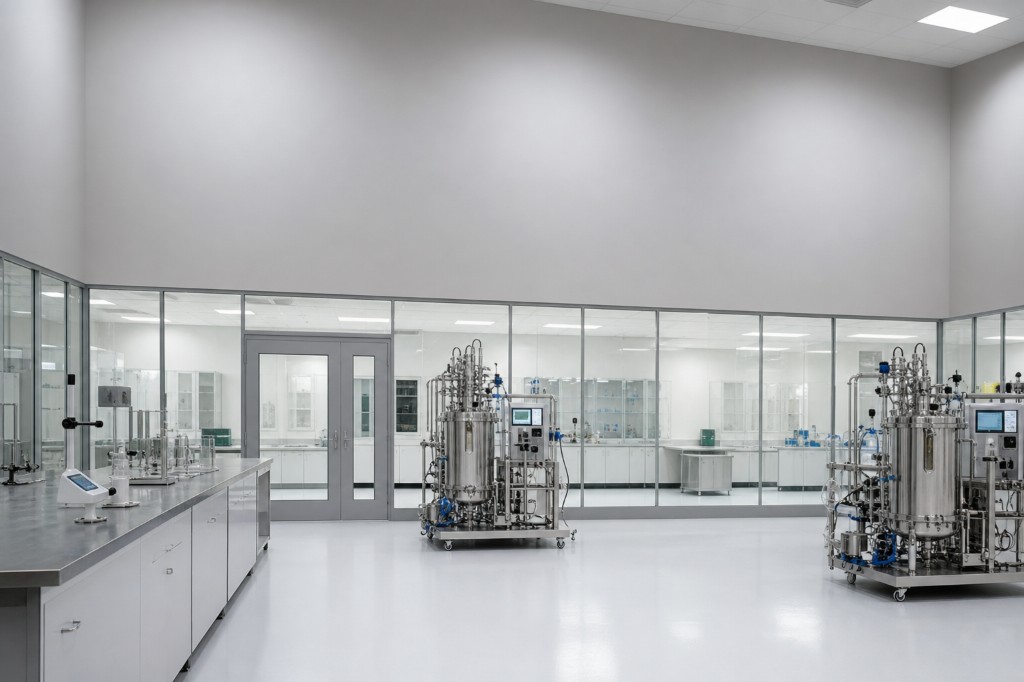
Bioengineering, neurotechnology, synthetic biology, and human-performance layers where bench science meets instrumentation-heavy iteration — protocol-grade environments and shared analytic tooling shorten cycles from discovery to translational prototypes.
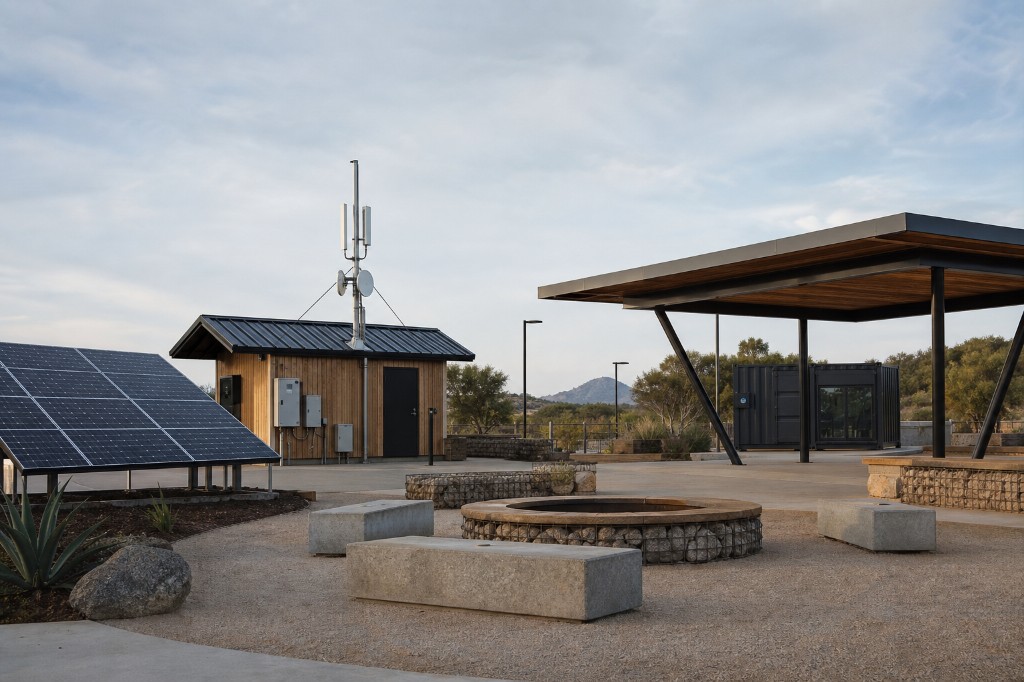
Smart civic infrastructure, resilient grids, autonomous mobility fabrics, digital twins of the built environment, and sensing networks that make metropolitan systems observable, efficient, and equitable at scale.
Ignition Point Labs
Partnership inquiries, tenant interest, consortium participation, and public-sector briefings — routed through one contact surface so we can respond with the right diligence pack.
Corporate consortium
The consortium is the bridge between scaled industry and venture-speed company creation. Recurring programming pairs matchmaking with curation so companies, technologies, and talent align with member needs and demands. Members fund that programming, gain structured exposure to resident companies, and participate in governance that keeps startup cadence intact: objective milestones, technical office hours, and confidentiality norms written for dual-use and competitive sensitivity.
Bespoke programming — from focused hackathons and challenge sprints to full accelerator-style cohorts — structured around your near-term technical and partnering objectives rather than generic curricula.
Quarterly roadmap briefings stay tied to resident cohort themes, so sessions track what is actually moving instead of drifting into generic panels.
A disciplined forum for framing pilots, field trials, and supplier experiments — with norms that protect IP and startup velocity.
When adoption calls for it, members can pursue co-branded technical publications or joint field trials with clear attribution, milestones, and integration sequencing.
Systematic scouting mapped to your stated constraints — surfacing companies and technologies aligned with integration targets, supplier gaps, and roadmap risks so diligence starts from fit, not noise.
When a match is serious, members can reserve diligence windows with founders so reviews start after mutual fit, not from cold inbound.
Relationships across universities and technical colleges to scout, prime, and place talent nationally — paired with industry-leading certification partners to upskill machinists, technicians, and engineers to your standards (similar pathways already trusted by aerospace-scale employers).
Sponsor seats at workforce hiring fairs put your standards and open roles in front of credentialed candidates already in the hub orbit.
Structured lanes for translating latent assets — university IP and talent, unused industry IP, or internal corporate capability — into dedicated spinouts and scaling vehicles where strategic overlap warrants dedicated velocity.
Early visibility into resident and affiliate teams filtered by vertical fit — plus optional focused technical sessions when milestones warrant them.
When integration planning depends on equipment timing, you also get earlier visibility into utilization calendars wherever scheduling norms and membership scope allow.
Seats on programming and standards committees that steer equipment investments, training curricula, and hub expansion criteria.
When mandates align, we broker structured introductions to municipal or federal partnership vehicles so external advocacy matches internal governance and risk norms.
When portfolio companies or supplier graphs intersect another metro, the network layer brokers warm handoffs — not cold intros.
Scheduled access to operators who understand machining, test, safety, and supplier qualification — reducing cycle time for both sides.
Beyond broad scouting, we trace where additional value can realistically attach to your mandate — adjacencies, partnership shapes, and sequencing that respect buying cadence, risk appetite, and integration reality.
When requirements are unusual — legacy stacks, export or safety envelopes, throughput limits, or capital intensity — we help design engagements and technical approaches that fit those boundaries instead of papering them over.
Presence inside a national deep-tech infrastructure narrative helps recruiting pipelines and signals serious commitment to domestic manufacturing depth.
Anchored ecosystem
Partner marks reflect programming, equipment access, policy engagement, and manufacturing networks already in motion around the hubs initiative.







Consortium memberships
Tier I · Readout
Standing access to programming rhythms and corporate-facing surfaces.
Tier II · Pilot stack
Better economics on bespoke work plus persistent seats inside the hub.
Tier III · Mission lock
Designed for members co-building long-horizon capability with the hub.
Bench Notes
Briefings on infrastructure economics, consortium design, instrumentation, and scaling hub networks — published as Bench Notes for stakeholders who live in spreadsheets and on the shop floor.
LEO services, cislunar procurement realities, defense-industrial integration, instrumentation, dual-use governance, and hub economics.
Semiconductors, advanced packaging, AI infrastructure load, reshoring incentives, and trust boundaries in silicon supply.
Robotics, autonomy, sensing and metrology, digital thread evidence, workforce pipelines, and consortium de-risking.
Grid modernization, power electronics, DER, data-center load shapes, reliability culture, and industrial electrification.
Ignition Point Labs
Partnership inquiries, tenant interest, consortium participation, and public-sector briefings — routed through one contact surface so we can respond with the right diligence pack.